Yet another "Establishment Presidental Candidate " starting to sound like Ron Paul.
by Justin Raimondo - Nov 7, 2007
The Democratic presidential primary has been a real yawner, and I say that with a high degree of disappointment. After all, one never expected that the most vocal, visible, and credible antiwar voice to be raised this election season would come from the mouth of a Republican – a nine-term congressman from Texas, no less – who has ignited what appears to be a GOP version of the Eugene McCarthy movement during the Vietnam War era. Obama appears to be drowning in the sweet sauce of his own bromides, and none of the others has really ignited the supposedly antiwar Democratic base. Until this point, John Edwards has been a disappointment, with his flat-out refusal to say that he'd get us out of Iraq by the end of his term in office. However, if only to jazz up this snoozer of a race – and perhaps even revive interest in his faltering campaign – Edwards has decided to take on the War Party. In a recent speech at the University of Iowa, he used the "n"-word. No, not that word, silly, this one:
"George Bush, Dick Cheney, and the neocon warmongers used 9/11 to start a war with Iraq and now they're trying to use Iraq to start a war with Iran. And we have to stop them."
Wow! Where do I sign up?
Edwards seems to understand what Obama doesn't want to know: that politics is all about Good Guys versus Bad Guys, and you can't have one without the other.
Who started this war? Who lied us into it? Who wants to escalate it and extend it to Iran? People know, by now, the answers to these questions, and they are up for hearing some real, down-home outrage directed at the Bad Guys, otherwise known as the neoconservatives.
After all, it's no secret who was plumbing for war for a solid decade and beating the drums ever louder after 9/11. This war didn't come about spontaneously; it wasn't an act of God or nature, like Hurricane Katrina. It was planned, hoped for, wished for, and carried out by a very definite – and relatively small – group of men and women who had (and have) the ear not only of the president but of the major Washington power players, with the nexus of their network centered in the vice president's office.
Naming the enemy is the first act of a war, and politics, as we all know, is merely war without the bloodshed (though not always). Edwards has not only named them, but he gives us a capsule history of the great evil they have wrought:
"To understand exactly what the administration is trying to do with Iran, we need to go back to the beginning of the Bush administration and look at how they took us to war with Iraq.
"In the spring of 2002, the nation was struggling to recover from the devastating terrorist attacks of 9/11. At the same time, a group of Bush administration neoconservatives, like Dick Cheney and Paul Wolfowitz, were strategizing for ways to start a war with Iraq. And suddenly, instead of reacting to 9/11 by working to protect America from terrorists, they saw a political opportunity to promote their right-wing ideological agenda and demonize anyone who disagreed with them."
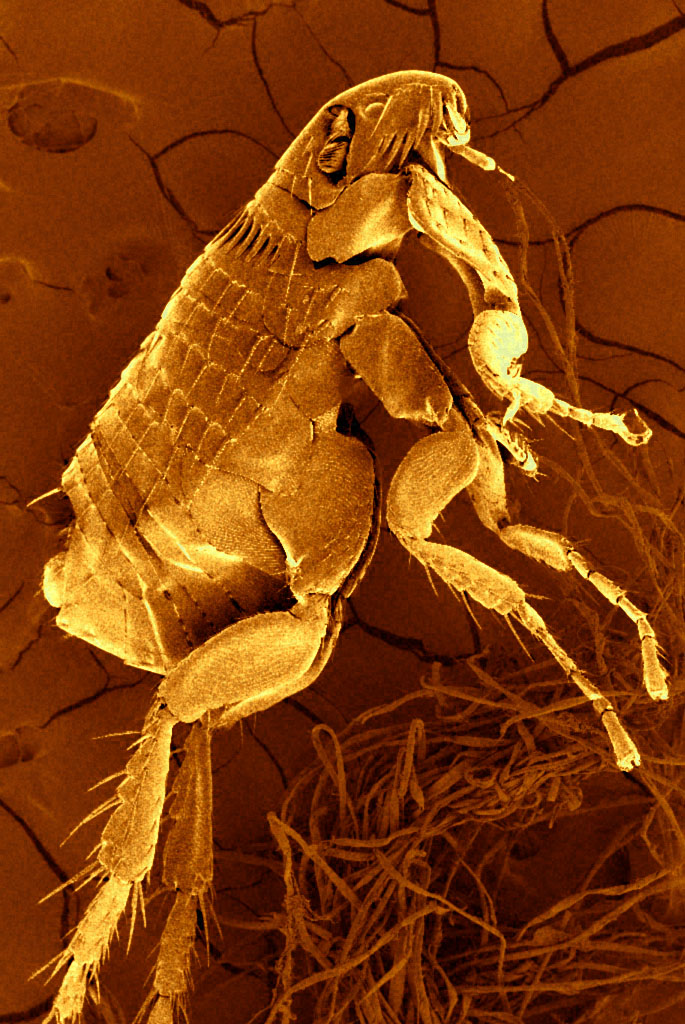
Okay, so Edwards doesn't really understand what a neocon is: he's a politician, after all, not a political scientist. Of course Cheney isn't a "neocon" – in the same way a dog is not a flea. Cheney has neocons, however, just like man's best friend is often beset by similar pests. The relationship is parasitic – or maybe symbiotic.
However, you get the general idea: Edwards has correctly diagnosed the problem – the neocons – and charted their path of destruction as they diverted us away from our legitimate goal of fighting the perpetrators of 9/11, then used that tragedy to fuel their own crusade to turn Iraq into either a Jeffersonian republic or a parking lot – with the latter clearly winning out. And Edwards has certainly got the ideology of neoconservatism down:
"Here's what you have to know about these neocons – they think might makes right, every time. They believe in domination, not debate. They think America should use our military power to impose our will wherever and whenever we want. They use a sledgehammer when we should use a scalpel.
"And here's what you need to know about George Bush's foreign policy – it's written by these neocons, lock, stock, and barrel."
"So after 9/11, instead of focusing on the terrorist threat, George Bush started promoting a radical new neoconservative doctrine he called, quote, 'preventive war' – which would soon become part of his argument for war in Iraq."
Edwards clearly understands the urgency of his antiwar appeal: his clarion call to stop the war in Iraq before it spreads to Iran demonstrates that he knows what are the implications of the status quo – which he correctly identifies with Hillary Clinton. Unlike Obama, he calls Clinton out not only on Iraq but on the question of war with Iran:
"Senator Clinton wants to keep combat troops in Iraq to perform combat missions in Iraq. She will extend the war. I will end the war. Only in Washington would anybody believe that you can end the war and continue combat. On a matter as serious as Iraq, we need honesty and real answers – not more double-talk."
Finally, someone in the Democratic dog fight is saying what needs to be said: very clever of him to tie Hillary in with the neocons. It remains for me to point out rave reviews for her coming from Charles Krauthammer, David Brooks, Fred Barnes, and Rich Lowry, not to mention the largesse coming her way from the military-industrial complex. And of course the core of her support among the Democratic Party establishment is the "centrist" Democratic Leadership Council, which served as the launching pad for Bill's White House bid. The DLC is home to the last of the Scoop Jackson Democrats – i.e., neocons who never made the transition to GOP politics, but instead stayed in the party long after it had been supposedly McGovernized, emerging, like moles blinking in the sunlight, after 9/11.
I have nothing in common with Edwards' domestic politics, which seem like more of the same old "progressive" laundry list of big government projects that we can neither afford nor would desire even if we weren't bankrupt, but that is neither here nor there. What matters in this election is the foreign policy stance of a candidate, and Edwards is saying all the right things: he has pledged to "completely withdraw all combat troops within 9 to 10 months" of taking office. You can't ask for much more than that.
If you're a Democrat, and you consider yourself antiwar, it's clear who your candidate has got to be. However, Edwards is staking out a principled position quite late in the game, and I have to say that it's not just a matter of high principle with him, although he clearly does believe what he's saying. In naming the neocons as the source of the problem – as the Bad Guys in the narrative he's selling – Edwards seems to be imitating another come-from-behind candidate whose success in terms of "buzz" (and fundraising) he would do well to replicate. Of course, I'm talking about Ron Paul – the first candidate to pin the blame for this disastrous war where it rightly belongs, and go after the neocons by name.
Oh well, it's the sincerest form of flattery, and libertarians can take it as a compliment. Now if only some of the other Democrats would learn from Ron, take off the kid gloves, and start throwing some real punches…